

News & Blog
2024 February 16 – Anti-CD40-induced colitis model in RAG2KO mice
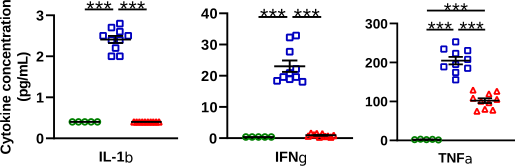
We've been running it for a while, but we now have a page up about this short model of colitis, well-suited to studying innate immune responses in inflammatory bowel disease. Elevated levels of pro-inflammatory cytokines are detectable in serum 1 day after injection of anti-CD40 (left). By 5 days after injection, elevated pro-inflammatory cytokines in colon culture supernatants and significant colon pathology are measurable.
Posted by
2024 February 14 – Updated protocol for EAE induction by active immunization in C57BL/6 mice
We've updated the recommended protocol for use with our EAE induction kits EK-2110 and EK-2160. The new protocol offers advice on injection technique to prevent emulsion movement from the injection site. Without proper immunization technique, dosing frequently (more than once daily) via some routes of administration can move the emulsion into the head and neck, causing swelling that may require euthanasia.
Posted by
2023 October 29 – BTK inhibition reduces severity of secondary progressive EAE
Our new paper in Acta Neuropathologica Communications describes the efficacy of BTK inhibition in the Biozzi EAE model of secondary progressive multiple sclerosis and showcases our capabilities in clinical, histological, and flow cytometric analysis.
In spinal cord homogenate/CFA-induced EAE in Biozzi mice, disease is relapsing-remitting until approximately day 49 post-immunization, when disease progression becomes independent of newly infiltrating immune cells. As described in our paper, treatment with BTK inhibitors disrupted B cell maturation and reduced expression of activation markers in spinal cord-resident microglia and infiltrating myeloid cells.
https://doi.org/10.1186/s40478-023-01614-w
Note: To view the raw data, see “Additional file 2” in the Supplementary Information section.
Posted by
2023 October 25 – Updated protocol for CIA induction in DBA/1 mice
We have updated the recommended protocol for use with our CIA induction kits (EK-0210, EK-0211, EK-0220, and EK-0221). We now recommend that the initial immunization injection and the booster dose injection should be performed on opposite sides of the mouse tail. Our experience is that this results in reduced mouse mortality.
Posted by
2023 June 4 – Mouse Models of Graft-Versus-Host Disease (GvHD)
Hooke now offers mouse models of Graft-Versus-Host Disease (GvHD).
Acute or chronic GvHD is induced in mice using allogeneic or xenogeneic grafts with or without irradiating recipient mice. The severity of GvHD is influenced by the number of cells transferred and the dose of irradiation used to facilitate donor cell engraftment.
Posted by

2023 May 20 – Custom antigen emulsions
Did you know that Hooke can prepare custom antigen emulsions? Take emulsion prep guesswork out of your experiment and leave it to us! As always, email us at or with your requests.
Posted by
2022 October 11 – Two new models of secondary progressive EAE
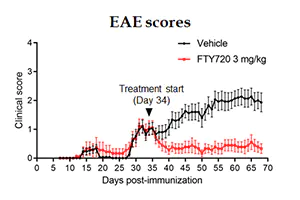
Hooke has established two models of secondary progressive EAE! The NOD mouse model (immunized with MOG35-55/CFA) and the Biozzi mouse model (immunized with spinal cord homogenate/CFA) demonstrate relapse and disease progression over time. We'll be putting details on this website, but in the meantime, email us at or for more information.
Posted by
2022 September 16 – Hooke Laboratories, Inc. is now Hooke Laboratories, LLC
Effective 16 September 2022, Hooke Laboratories, Inc. is now Hooke Laboratories, LLC. For 15 years we were a Massachusetts corporation, now we're a Massachusetts limited liability company. We're the same legal entity with the same ownership and same tax ID number, but the entity has "converted" (per the words of the Massachusetts Secretary of the Commonwealth) to a limited liability company.
The change was for tax reasons, and shouldn't affect our customers or suppliers other than as a change of name. Per our attorneys, contracts and agreements with Hooke Laboratories, Inc. remain binding on Hooke Laboratories, LLC.
Posted by
2022 April 19 – EK-2160 (MOG1-125/CFA Emulsion PTX) is again available for normal ordering
We've completed successful testing of a new set of reagents, and EK-2160 is again available for normal ordering. The product now meets our usual standards for EAE development.
Posted by
2021 December 15 – EK-2160 (MOG1-125/CFA Emulsion PTX) available by special order
EK-2160 is now available by special order. Please see our lot notice before ordering.
Posted by
2021 October 22 – Tissue from younger (NZB x NZW)F1 and MRL/lpr mice without proteinuria
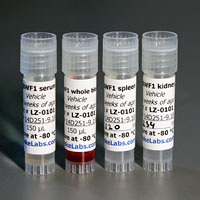
Tissue from younger mice, collected before proteinuria development, is now available from Hooke. Our LZ-0102 contains snap frozen kidney, spleen, whole blood, and serum from a single (NZB x NZW)F1 mouse, age 15 to 18 weeks. LZ-0202 has the same tissues from a single MRL/lpr mouse, age 6 to 8 weeks.
Both strains spontaneously develop disease similar to systemic lupus erythematosus (SLE). These new products are meant as controls for the strains prior to disease development.
Posted by
2020 December 30 – Updated EAE protocol for active immunization in SJL mice
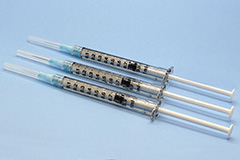
An updated EAE induction protocol for use with our Hooke Kits™ for EAE Induction in SJL Mice, (cat. nos. EK-0120, EK-2120, or EK-0230) is now available.
The new protocol adds information about excluding mice with tail lesions; SJL mice with tail lesions don't develop EAE. Please see "Mouse selection and handling" for details.
Posted by
2020 May 12 – New EAE kit, PLP native peptide, and serum from C57BL/6 and BALB/c mice
We've introduced a new EAE induction kit, PLP139-151 (native)/CFA emulsion (cat# EK-0230) for induction of relapsing-remitting EAE in SJL mice using the native PLP peptide. This complements our existing product [Ser140] PLP139-151/CFA emulsion (cat# EK-0120). To accompany the new kit, we also offer PLP139-151 (native) in TC media (cat# DS-0161) for in vitro recall experiments.
The native PLP peptide induces a stronger primary response in SJL mice than the (more commonly used) serine-substituted [Ser140] PLP139-151 peptide. (To avoid confusion, we've renamed the existing EK-0120 and DS-0121 products to clarify that they contain [Ser140] PLP139-151 - only the names have changed.)
For more information on antigen selection, please see our Learning Center.
As well, we're now offering frozen serum from naïve C57BL/6 and BALB/C mice - these are catalog numbers SZ-0281 and SZ-5281 (C57BL/6) and SZ-0283 and SZ-5283 (BALB/c), respectively.
Posted by
2020 April 15 – Off-the-shelf immune and custom-immunized serum
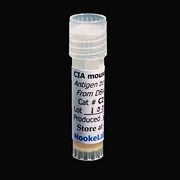
We now offer an expanded product line of off-the-shelf immune serum and custom-immunized mouse serum to support your immunology and vaccine research. We can customize these - you send us the antigen, and we will do the rest. Emulsion, immunization, and collection are performed by experienced Hooke scientists, ensuring a hassle-free, consistent and high-quality product. Contact us at or with questions or to request a quote.
Posted by
2020 March 30 – Hooke and COVID-19
Hooke is open; orders are shipping, and studies are proceeding on schedule.
Contact us at or if we can help with your COVID-19 project - we are 30 minutes north of Boston (off I-93 and I-495). In addition to in vivo research in mice and rats, Hooke offers flow cytometry, tissue and cell culture, and has a highly experienced and fully equipped histology group (including IHC and pathology).
Posted by
2019 April 3 – New histology services
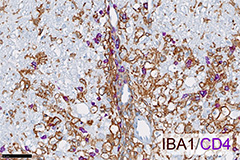
Hooke now offers an expanded suite of histology and IHC services for paraffin and cryopreserved samples. The best part – as we continue to provide these services for CRO customers, we're now extending these services to samples prepared outside of Hooke! Check out our histology services page for a list of validated stains, antibody targets, and some pretty great looking pictures.
Posted by
2017 March 13 – Updated EAE induction protocol
We've made some small updates to our protocol EAE Induction by Active Immunization in C57BL/6 Mice; the new version gives more detail on expected (and rare) side effects of EAE induction.
This is the protocol for use with our EAE immunization kits with MOG/CFA and pertussis toxin, cat nos. EK-2110 and EK-2160.
Posted by
2015 November 24 – Tissue from MRL/lpr mice with SLE
We've added tissue from MRL/lpr mice with systemic lupus erythematosus (SLE) to our offerings of frozen SLE tissue.
MRL/lpr mice spontaneously develop a SLE-like disease at 16 to 20 weeks of age.
Tissue is available from mice age 12 to 20 weeks; each product unit contains kidney and spleen tissue, whole blood, and serum from a single mouse.
You can choose tissue from individual mice in our inventory based on mouse proteinuria scores, body weight history, and age at termination.
| Cat # | Mouse strain | Treatment/proteinuria score | Price |
|---|---|---|---|
| LZ-0200 | MRL/lpr | Cyclophosphamide-treated (no or mild proteinuria; < 30 mg protein/dL) | $ 494 |
| LZ-0201 | MRL/lpr | Vehicle-treated or naïve (severe proteinuria; > 500 mg protein/dL) | $ 686 |
| LZ-0202 | MRL/lpr | Naïve, 6 to 8 weeks old (no or mild proteinuria; < 30 mg protein/dL) | $ 373 |
Posted by
2015 May 20 – Tissue from (NZB x NZW)F1 mice with SLE
We now offer frozen tissue from (NZB x NZW)F1 hybrid (NZBWF1) mice with systemic lupus erythematosus (SLE).
These mice spontaneously develop a polygenic autoimmune disease closely resembling SLE in human patients. Anti-nuclear and anti-dsDNA antibodies are detectable as early as 20 weeks of age. Proteinuria and kidney pathology (immune complex glomerulonephritis) is observed by 9 to 10 months of age.
Tissue is available from mice age 26 to 52 weeks.
Each product unit contains kidney and spleen tissue, whole blood, and serum from a single mouse.
You can choose tissue from individual mice in our inventory based on mouse proteinuria scores, body weight history, and age at termination. Contact us at or for a complete listing of our current inventory.
| Cat # | Mouse strain | Treatment/proteinuria score | Price |
|---|---|---|---|
| LZ-0100 | (NZB x NZW)F1 hybrid (NZBWF1) | Cyclophosphamide-treated (no or mild proteinuria; < 30 mg protein/dL) | $ 625 |
| LZ-0101 | (NZB x NZW)F1 hybrid (NZBWF1) | Vehicle-treated or naïve (severe proteinuria; > 500 mg protein/dL) | $ 715 |
| LZ-0102 | (NZB x NZW)F1 hybrid (NZBWF1) | Naïve, 15 to 18 weeks old (no or mild proteinuria; < 30 mg protein/dL) | $ 338 |
Posted by
2014 November 25 – gpMBP69-88 in TC media, Indian distributor, more model information
A few small announcements for this Thanksgiving week in the US.
First, we're pleased to introduce gpMBP69-88 in TC Media, cat. no. DS-0151. Like our other antigens in TC media, this product is tissue culture tested and supplied ready to use.
Second, we're happy to welcome KRISHGEN BioSystems of Mumbai as our new product distributor in India. We have many CRO customers in India, but until now our product customers have often had trouble getting kits imported promptly through Indian customs. As KRISHGEN has had a 100% success rate to date, we're confident that with their help our customers in India will find it much easier to import our products.
Finally, you may have noticed over the last few months we've added much more detail, including typical results, to many of our CRO model descriptions. Thanks to our customers we've been adding new models rapidly; our web page is now catching up to our scientists. We still have a few pages left to update, but we're getting there.
We'd like to take this opportunity to wish all our customers and suppliers in the US a happy Thanksgiving holiday, and a very happy holiday season to all around the world.
Posted by
2014 August 18 – Slides covering CIA and EAE models
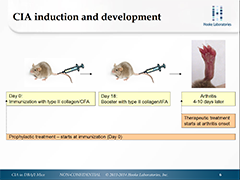
We've posted a new set of slides covering collagen-induced arthritis (CIA) in DBA/1 mice; this model of human rheumatoid arthritis (RA) is one of our most popular CRO models.
The presentation covers existing approved treatments for RA, description of the model, scoring, typical results (for both prophylactic and therapeutic treatment), positive controls, and short-term alternative models for first-pass compound screening (LPS stimulation, either in vivo in C57BL/6 mice, or ex vivo using Lewis rats). This information will be of primary interest to CRO customers, but our kit customers using the CIA model may also find it useful.
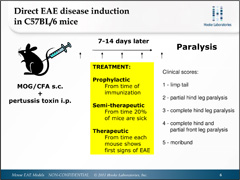
We've also recently updated our presentation covering EAE models. This discusses direct and adoptive transfer EAE models, treatment options (prophylactic, semi-therapeutic, therapeutic, late therapeutic), controls, typical results, etc., as well as guidance on model selection.
Both presentations can be downloaded from our learning center.
Posted by

2013 November 25 – FBS for T Cell Culture, Protocols for Adoptive Transfer EAE and Cytokine Production
Hooke is now offering fetal bovine serum (FBS) selected by in vitro testing to support high levels of cytokine production in T cell cultures.
Fetal bovine serum (FBS) - sometimes known as fetal calf serum (FCS) - is used as a tissue culture media supplement for generation of encephalitogenic T cells or to evaluate cellular immune responses.
All FBS is not the same. This product is selected by in vitro testing to support maximum cytokine production by antigen-specific T cells. Get experiments running sooner by using our selected FBS instead of testing multiple lots of standard FBS.
Fetal Bovine Serum for T Cell Culture
| Cat # | Product | Description | Size | SDS (pdf) | Price |
|---|---|---|---|---|---|
| SZ-0101 | FBS for T cell culture, 100 mL | USA origin, sterile-filtered | 100 mL | SDS | $ OUT OF STOCK |
| SZ-0501 | FBS for T cell culture, 500 mL | USA origin, sterile-filtered | 500 mL | SDS | $ OUT OF STOCK |
This FBS is suitable for T cell culture in adoptive transfer EAE and for cytokine production in vitro. Three new protocols describe the use of the new FBS product:
- Adoptive Transfer EAE in C57BL/6 Mice
- Adoptive Transfer EAE in SJL Mice
- Cytokine Production Induced By T Cell Recall Response In Vitro
Posted by
2013 November 22 – mBSA/CFA Emulsion, Expanded Immunization & CIA Protocols
Today we've introduced a new Hooke Kit™ for immunization - mBSA/CFA Emulsion (EK-0133).
This new kit contains methylated bovine serum albumin (mBSA) with CFA in a pre-made emulsion. It is primarily useful for immunization of mice to induce the delayed-type hypersensitivity (DTH) response, usually in C57BL/6 mice.
Along with the mBSA/CFA Emulsion kit, we also have matching Hooke Control Kits™ for customers who need to control for adjuvant-induced responses; these are cat. no. CK-0133 (full size) and CK-5133 (half size).
We've also posted a new protocol that describes inducing the DTH response in detail:
Finally, we've also updated and expanded some of our existing protocols based on what we've learned in our own lab, as well as feedback from customers. These updated and expanded protocols are:
- CIA Induction in DBA/1 Mice
- Immunization of Mice for Generation of Encephalitogenic T Cells
- Immunization of Mice for Production of Antigen-Specific Antibodies
As always, let us know if you have questions about these or related protocols, or how to use any of our products.
Posted by
2013 November 4 – OVA323-339/CFA Emulsion and OVA323-339 in TC media
We've introduced two OVA323-339 peptide products:
OVA323-339/CFA Emulsion induces a strong immune response against chicken ovalbumin peptide 323-339 (OVA323-339). Immune response is usually evaluated 7 to 14 days after immunization.
OVA323-339 in TC media is tissue culture tested and supplied in TC media, ready to use. OVA323-339 consistently induces in vitro stimulation of DO11.10 (H-2d) and OT-II (H-2b) cells and in vitro recall responses of T cells isolated from OVA323-339/CFA-immunized mice.
Also available are matching control kits CK-0132 and CK-5132 to control for adjuvant-induced responses. Our protocol Immunization of Mice with Peptide Antigen provides details on using the emulsion kit for immunization.
Contact us if there are other kits you'd like us to offer - our best product ideas come from customers.
Posted by
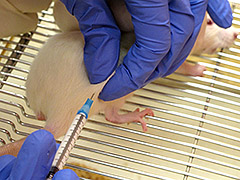
2013 May 13 – Hooke Kits™ for EAE induction in Lewis rats available now
Today we're happy to announce the immediate availability of two new Hooke Kits™ for EAE induction in Lewis rats.
Cat. no. EK-3110 (gpMBP69-88/CFA Emulsion) will induce EAE in 9 to 14 week old Lewis rats. EAE develops within 8 to 12 days; all rats fully recover by Day 20 after immunization, without relapses.
Cat. no. EK-3111 (gpMBP69-88/CFA Emulsion PTX) includes pertussis toxin (PTX) in addition to the gpMBP69-88 antigen. This kit will induce EAE in 10 rats; using the PTX, 30% to 60% of rats will experience a single relapse after initial remission. This provides an opportunity for study of mechanism of EAE development and relapses in Lewis rats.
As with our other EAE kits, we have a detailed protocol describing how to use the kits, and matching Hooke Control Kits™ to control for adjuvant-induced responses; these are cat. no. CK-3110, CK-3111, CK-8110, and CK-8111.
More information about the new kits is on the product page and in our Learning Center.
Posted by
2013 May 9 – Updated protocol for EAE Induction by Active Immunization in C57BL/6 Mice
We've updated our recommended protocol for EAE induction in C57BL/6 mice, used with our MOG/CFA peptide emulsion kits with pertussis toxin (cat nos. EK-2110 and EK-2160).
Based on feedback from customers, the new protocol has a simplified description of pertussis toxin (PTX) solution prep, and should be easier to follow and understand.
We do our best, but please contact us if you find any of our protocols unclear - we're always happy to explain and improve things.
Posted by
2012 January 11 – Updated protocol for CIA induction
We've updated our recommended protocol for CIA induction in DBA/1 mice, for use with our collagen emulsion products.
The new version of the protocol adds advice on identifying mice likely to develop sub-optimal CIA, and emphasizes the need for very slow delivery of the booster dose (over at least 10 to 15 seconds). Because blood vessels in the tail are dilated as a result of the initial immunization, slow delivery of the emulsion is critical to avoid mouse deaths resulting from formation of embolisms.
Posted by
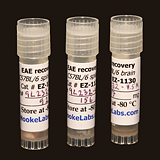
2011 June 24 – Frozen tissue from mice with EAE and CIA, frozen CIA serum
We now offer frozen tissue from mice with EAE and CIA (and controls). Like our fresh cell products announced last month, these are a way of "productizing" some of our CRO services, so you can obtain mouse tissue just by ordering a product - without sending your compounds off-site or negotiating an MSA for services.
Before ordering EAE or CIA mouse tissues (doesn't apply to CIA serum), please email us at or for our current inventory - we'll send you a spreadsheet with the details of our frozen inventory (stored at -80 °C), including scoring history for each mouse. You can order individual mice based on disease severity or stage.
All these products ship on dry ice in 1.5 mL cryogenic tubes; we can ship internationally. Most tissue products are always in stock; out-of-stock products are available with a few weeks of lead time.
Frozen tissue from mice with EAE
Snap frozen spleens, spinal cords, and (optionally) brains from mice with EAE. For analysis of gene expression and protein production.
You can order individual mice based on scoring history, strain (C57BL/6 or SJL), and EAE stage (onset, peak, or recovery for BL/6 mice, or for SJL mice, onset, peak, or remission of the first wave of EAE, or onset, peak, or recovery from relapse).
We also have the same tissues from control mice (no EAE, matched for immunization method and timing) and from naïve mice (no immunization or EAE induction).
Frozen tissue from mice with CIA
One hind paw, half spleen, and serum from a DBA/1 mouse with CIA. For analysis of gene expression, protein production and biomarkers.
Order individual male or female mice from our stock based on scoring history, antigen used for CIA induction (chicken type II collagen or bovine type II collagen) and disease stage (1-2, 4-5, or 14-21 days after CIA onset). We also offer tissues from control mice (no CIA but matched for immunization method and timing) and naïve mice (no immunization or CIA induction).
Frozen serum from mice with CIA
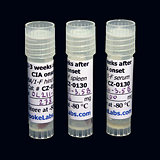
Frozen serum from DBA/1 mice, taken at 20+ days after onset of CIA induced by immunization with either chicken or bovine type II collagen. For isolation or analysis of anti-collagen antibodies.
Multiple mice are pooled for serum. Serum from control mice (immunized only) and naïve mice (no immunization or CIA induction) is available for comparison.
Posted by
2011 June 2 – Lower prices on Hooke Emulsion Kits™
Effective today, we have new pricing on Hooke Kits™ for immunization, EAE induction and CIA induction.
The first kit in your order is the same price as before, but all additional kits (of the same catalog number) are discounted by about 20%. That's in addition to our existing 5% and 10% discounts for larger orders.
Because these products have a short shelf life, each Hooke Emulsion Kit™ is made fresh the same day it ships. These discounts reflect our efficiencies from making larger daily batches. (Our lot numbers represent the lot of stable reagents used to produce the fresh emulsion; all kits with the same lot number use the same reagent concentrations and lot.)
Posted by
2011 May 20 – Fresh cells from immunized mice, MBP1-17 kits, more
We're happy to introduce several new products today. All are available for immediate ordering. As always, contact us at or for more information or to place an order.
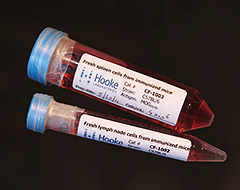
Fresh cells from immunized mice
First up, we're offering fresh splenocytes and lymph node cells from B6 and SJL mice immunized with MOG35-55 and PLP139-151 peptide antigens (respectively), as well as cells from control mice (immunized with CFA only) and naïve mice (no immunization). These are shipped fresh, overnight, three weeks after your order.
The fresh cells can be used for in vitro analysis of T cell functions including encephalitogenicty, or can be cultured for use in adoptive transfer EAE.
This is a way of "productizing" some of our contract research services - if you don't have your own vivarium, you can order fresh immunized cells as an off-the-shelf product, without spending time negotiating an MSA or sending proprietary compounds out of your facility.
Even if you do have your own mouse lab, our cell quality may be better than your laboratory can produce on an occasional basis, because Hooke routinely immunizes mice and isolates cells using a consistent protocol.
We do the routine work of cell production, so you can spend more time on research.
Hooke Kit™ MBP1-17/CFA Emulsion for immunization
Next, we've added MBP1-17/CFA Emulsion, catalog number EK-0130, to our existing line of Hooke Kits™ for immunization of mice.
This new kit induces a strong immune response to MBP1-17 in B10.PL, PL/J, or anti-MBP TCR transgenic mice, for evaluation of MBP1-17-specific proliferation and cytokine production by draining lymph node and spleen cells. Our recommended protocol for this product is Immunization of Mice with Peptide Antigen.
The corresponding Hooke Control Kits™ catalog numbers CK-0130 and CK-5130 are also available.
MBP1-17 in TC media
Last, we've added a MBP1-17 product to our antigens in tissue culture media.
Catalog number DS-0131, MBP1-17 in TC media supplies 2 mg of myelin basic protein 1-17 (MBP1-17) peptide in 1 mL of tissue culture media, for in vitro restimulation of MBP1-17-specific T cells.
It's shipped on dry ice, and stable for at least 6 months when stored at or below -20 °C.
Watch this space
We have more new products coming soon - keep an eye on our web page for upcoming announcements of frozen EAE and CIA mouse tissue products, lyophilized whole-MOG antigen, and ELISA kits for detection of collagen-specific and chicken ovalbumin-specific antibodies.
If you need it now, contact us and we'll try to help.
Posted by
2011 February 3 – Mouse EAE Models presentation
We recently updated our overview presentation covering mouse EAE models and model selection. This discusses the various direct EAE mouse models (C57BL/6 mice immunized with either MOG35-55 peptide or whole MOG protein, SJL mice immunized with PLP139-151), adoptive transfer EAE models, possible treatment regimens (prophylactic, semi-therapeutic, therapeutic, late therapeutic), controls, typical results, etc. It also provides some guidance on selection of the best model, depending on your goals and how much you already know about your compound and its target.
This is an updated version of a PowerPoint presentation we've offered to CRO customers for some time. Kit customers working with EAE models may also find it useful.
You can download a PDF version from our learning center, or by clicking here.
Posted by
2010 December 13 – Sample IACUC protocol available
We've just posted a sample IACUC protocol for EAE in C57BL/6 mice. We hope our customers will find this useful as a starting point for drafting their own IACUC protocols. We're working on additional sample IACUC protocols, for different models. These will be available with the other protocols on our protocols page.
You are welcome to download, use, and modify these protocols, free of charge, in your own institution. We'd appreciate credit to Hooke as a courtesy, but it's not required. Suggestions for other useful protocols, or for improvements, are always welcome - just email us at .
Posted by
2010 November 29 – Pertussis toxin recommendations for MOG EAE induction kits
We've changed our recommendation for new users of our MOG EAE induction kits; based on customer feedback we are now suggesting that new users start with EK-0114 with 3.75x pertussis toxin (PTX) instead of EK-0115 with 5x PTX. Existing customers who are using EK-0115 might want to try switching to EK-0114; it may work just as well for you, and it's a little cheaper.
We offer MOG EAE induction kits with PTX concentrations ranging from 1x (EK-0113) to 5x (EK-0115) because the amount of PTX needed to produce good EAE varies, quite a lot, from lab to lab. Many factors affect the amount of PTX needed, but the one you have the most control over is stress - stress reduces EAE susceptibility in mice, so low-stress mouse handling procedures reduce the amount of PTX needed. We see that customers who do all procedures in the mouse room (instead of moving mice around on carts) usually need less PTX to induce EAE.
Of course stress is not the only factor involved. Our recommendation is to start with EK-0114 and then move to a weaker or stronger kit if necessary, depending on the results you get. In our own CRO lab, we find EK-0110 with 1.5x PTX produces the best disease, but most of our customers find PTX concentrations in the range of 2.5x (EK-0112) to 3.75x (EK-0114) works best for them.
Customers sometimes ask why we describe the PTX concentration in "x" units instead of mg/mL. We want our kits to consistently have the same strength and produce consistent EAE, but the potency of the reagents we buy varies considerably from lot to lot. So we characterize each lot in live mice and adjust the concentration accordingly. Our "5x" kit will always have five times as much PTX as our "1x" kit, but the actual concentration will vary depending on the potency of PTX used. The lot number on each kit represents which lot of reagents was used to produce the kit; each kit is made fresh on the day we ship it, but all kits with the same lot number will have the same concentration of each reagent.
In addition to reagent quantities, the quality of the emulsion is critical to EAE induction. Our recommended protocol for these kits has many more tips and suggestions for reliable EAE induction.
Posted by
2010 September 29 – No more packing fees, new "News & Blog" section
Effective today, we're no longer charging a $25 "packing fee" on product orders.
This fee was meant to cover the cost of the packaging, dry ice, and gel packs we use to ship products, but we've decided to drop the fee and "eat" these costs - nobody likes to pay more than they expect on their order, and shipping costs for the large insulated packages are already higher than we'd like. The fixed per-order packing fee had a big impact on the total cost of small orders; we hope you'll feel more comfortable placing small orders.
Today's other change is the evolution of our old "News & Press" section on Hooke's web site to the new "News & Blog" section you're reading now. In addition to product announcement/press release information, we plan to use this for more informal, and more frequent, communication with our customers. We hope you'll find it useful.
Posted by
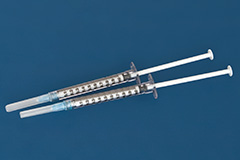
2010 April 16 – Three new IFA Emulsion Hooke Kits™: Ovalbumin, Pigeon Cytochrome c, and Hen Egg Lysozyme/IFA emulsions
Hooke Laboratories is pleased to announce the immediate availability of three new Hooke Emulsion Kits™ and their associated Hooke Control Kits™:
- Ovalbumin/IFA Emulsion, catalog number EK-0311
- Pigeon Cytochrome c/IFA Emulsion, catalog number EK-0312
- Hen Egg Lysozyme/IFA Emulsion, catalog number EK-0313
These products are intended to be used together with their associated CFA Emulsion Hooke Kits™ (EK-0301, EK-0311, and EK-0303).
Each new Hooke Emulsion Kit™ contains antigen emulsified in Incomplete Freund's Adjuvant (IFA).
These Hooke Kits™ will induce production of high concentrations of antibodies specific to each antigen. A detailed protocol describing use of these kits is available on Hooke's web site.
Each kit is delivered in pre-filled syringes, ready to use, and contains enough emulsion for immunization of 20 mice.
2010 April 12 – Updated protocol for EAE induction by active immunization in SJL mice
Hooke Laboratories, Inc. has issued an updated version of their recommended protocol for EAE Induction by Active Immunization in SJL Mice, for use with Hooke Emulsion Kits™ PLP139-151/CFA Emulsion (EK-0120), PLP139-151/CFA Emulsion PTX (EK-0121), and PLP139-151/CFA Emulsion PTXx2 (EK-0123).
The updated protocol recommends 4 injections of 0.05 mL per mouse, instead of 2 injections of 0.1 mL per mouse. This modified protocol induces EAE in a larger proportion of mice (at least 80% of mice), with less variability from experiment to experiment.
The revised protocol is available for immediate download from Hooke's web site.
2009 August 24 – Pigeon Cytochrome c, Hen Egg Lysozyme Immunization Kits
Hooke Laboratories, Inc. has introduced two new Hooke Emulsion Kits™ for immunization, Pigeon Cytochrome c/CFA Emulsion (EK-0302), and Hen Egg Lysozyme/CFA Emulsion (EK-0303).
These two new immunization kits expand Hooke's range of kits for inducing immune response in rodents.
Also introduced today are a set of accompanying Hooke Control Kits™: CK-0302, CK-5302, CK-0303, and CK-5303. These are identical to the newly introduced Hooke Emulsion Kits™, except that they contain no specific antigens, and may be used to control for effects of the adjuvant components in Hooke Emulsion Kits™.
All the products introduced today are available immediately.
2009 August 18 – MOG1-125 Hooke Emulsion Kits™ for EAE induction
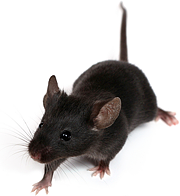
Hooke Laboratories, Inc. is pleased to announce the immediate availability of two new Hooke Emulsion Kits™ for induction of EAE in C57BL/6 mice, catalog numbers EK-0162 and EK-0164 – MOG1-125/CFA Emulsion PTX, as well as a set of associated Hooke Control Kits™.
These products are recommended for testing therapeutics aimed at impairing B cell function, as they induce EAE using human recombinant myelin oligodendrocyte glycoprotein (1-125) (MOG1-125).
Published clinical data has shown that B cells play a pathogenic role in human multiple sclerosis (MS).
Unlike peptide-induced EAE (using antigens MOG35-55 or MBP1-11), human MOG1-125 induced EAE is reported to be dependent on B cell presence. Therefore MOG1-125-induced EAE is likely a good model for testing therapeutics which target B cells.
See our Learning Center for information on model and antigen selection, and product details for guidance on pertussis toxin (PTX) dosage.
2009 August 10 – New "PTXx2" PLP139-151/CFA Emulsion, updated protocol
Hooke Laboratories, Inc. has introduced a new Hooke Emulsion Kit™, PLP139-151/CFA Emulsion PTXx2 (EK-0123) which provides for a second pertussis toxin (PTX) injection. The new kit joins Hooke's existing EK-0120 and EK-0121 products intended for induction of EAE in SJL mice.
The new EK-0123 Hooke Kit™ is recommended for observation of incidence and severity of the first wave of EAE, as it induces EAE with higher incidence and greater severity in the first wave.
Hooke's protocol for EAE induction in SJL mice has also been updated, both to provide guidance on the use of the new Hooke Kit™, and to provide detailed illustrations of procedures for successful EAE induction.
2009 May 15 – Family of Hooke Control Kits™ Released
A complete line of Hooke Control Kits™ are now available to accompany Hooke Emulsion Kits™.
Hooke Control Kits™ enable distinction between responses induced by adjuvant components of Hooke Emulsion Kits™ and those induced by a specific antigen. This distinction is important in the study of immune response mechanisms. Hooke Control Kits™ are identical to the corresponding Hooke Emulsion Kits™, except that they contain no specific antigens.
Most kits are offered in two sizes – a full size kit with the same quantity of emulsion provided in the corresponding Hooke Emulsion Kit™, and a half size kit suitable for smaller control groups.
The adjuvant components of Hooke Emulsion Kits™ typically induce immune responses including skin inflammation, enlargement of spleen, and increase in cytokine production. These effects result from the adjuvant component of the kit, not the specific antigen component. Like Hooke Emulsion Kits™, the new products are supplied in pre-filled syringes, ready to use.
Detailed information on the new products is available online at http://hookelabs.com.
2009 January 26 – Bovine Type II Collagen Emulsion Hooke Kits™
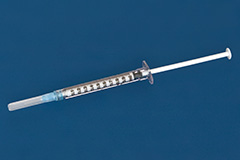
Hooke Laboratories, Inc. has announced the immediate availability of two new Hooke Kit™ products for induction of collagen-induced arthritis (CIA), one of the most commonly used animal models of human rheumatoid arthritis, in DBA/1 mice.
Hooke Kit™ EK-0220, Bovine Collagen/CFA Emulsion, is used to immunize DBA/1 mice with bovine type II collagen emulsified in complete Freund's adjuvant (CFA). Three weeks later, a booster dose of bovine type II collagen in incomplete Freund's adjuvant (IFA) is administered using Hooke Kit™ EK-0221, Bovine Collagen/IFA Emulsion.
CIA is consistently induced by these new Hooke Kits™ 16-35 days after immunization in 90–100% of male DBA/1 mice, and in 60–100% of female DBA/1 mice.
The pre-characterized Hooke Kits™ introduced today are supplied in pre-filled syringes, ready to use. Each lot is tested and adjusted for consistent potency and reliable CIA induction.
Full product details and recommended experimental protocols are available on the company's web site, http://hookelabs.com.
2009 January 9 – Updated EAE Induction Protocol
Hooke Laboratories has released an updated version of the EAE Induction by Active Immunization in C57BL/6 Mice protocol for use with MOG35-55/CFA Emulsion PTX Hooke Kits™.
This updated protocol provides more detailed instructions with illustrations of procedures for successful EAE induction.
Successful EAE induction requires low-stress mouse handling and husbandry procedures, good injection technique (see detailed illustrations in the protocol), use of appropriate mice, and good quality, stable, antigen emulsion together with the correct amount of pertussis toxin.
For reliable EAE induction, the protocol recommends:
- Mice should be acclimated for 7 days to your lab before starting.
- Use female mice at no younger than 9 weeks old. (10 weeks or older recommended.)
- Follow recommended injection procedure (see illustrations in protocol).
- Avoid excessive noise or vibration.
- Avoid excessive handling of mice. Handle mice gently.
- Try to do all procedures in the mouse room. Avoid moving mice on carts.
- Static cages are preferred to (some) ventilated cages.
- Avoid use of anesthesia if possible. If anesthesia must be used, we recommend inhaled anesthesia.
The updated protocol is available immediately on Hooke's web site.
2008 December 15 – MOG35-55 and PLP139-151 Peptides in Solution
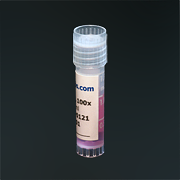
Hooke Laboratories is pleased to announce the immediate availability of two new peptide products, MOG35-55 in TC media (catalog number DS-0111), and PLP139-151 in TC media (catalog number DS-0121).
These peptides are offered in tissue culture media (10% fetal bovine serum in RPMI 1640), ready to use.
They are suitable for analysis of T cell functions in vitro, and for production of encephalitogenic T cells in vitro for use in adoptive transfer models of experimental autoimmune encephalomyelitis (EAE).
2008 November 24 – PLP139-151/CFA Emulsion PTX Hooke Kit™
Hooke Kit™ PLP139-151/CFA Emulsion PTX, catalog number EK-0121, is now available for ordering.
This Hooke Kit™ is intended for induction of relapsing-remitting EAE in female SJL mice.
The first wave of EAE will develop 10 to 14 days after immunization in 90 to 100% of mice, with a mean maximum severity of approximately 3.5 (scale 0–5).
Relapse will start around 25 days after immunization. By 40 days after immunization, approximately 50% of mice will relapse. Mean maximum severity of relapses will be around 2 (scale 0–5).
Two 1 mL syringes of PLP139-151/CFA emulsion and one 1 mL syringe of pertussis toxin are included, sufficient for 10 mice. A detailed protocol and MSDS data are available online.
2008 October 6 – New Ovalbumin/CFA Emulsion Hooke Kit™
Immediately available is Hooke Kit™ Ovalbumin/CFA Emulsion, catalog number EK-0301, containing chicken ovalbumin (hen egg albumin – OVA) emulsified in Complete Freund's Adjuvant.
This new Hooke Kit™ can be used to immunize mice (and other species) for evaluation of cellular immunity and antibody responses, as well as induction of delayed-type hypersensitivity (DTH).
As with all Hooke Kits™, Ovalbumin/CFA Emulsion is delivered in pre-filled syringes, ready to use. Each EK-0301 kit contains enough emulsion for immunization of 5 to 20 mice, depending on dose.
2008 September 29 – Stronger MOG35-55/CFA emulsion Hooke Kits™
We are pleased to announce two new and stronger MOG35-55/CFA Emulsion PTX Hooke Kits™ for EAE induction, catalog numbers EK-0114 and EK-0115.
These kits are available immediately and contain MOG35-55 peptide emulsified in Complete Freund's Adjuvant (CFA), with larger amounts of pertussis toxin (PTX) compared to our existing MOG35-55/CFA Emulsion PTX Hooke Kits™.
With these new products, Hooke offers a PTX dosage range of 1x to 5x, to accommodate a wider variety of mouse age, strain, breeder, and colony. Hooke Kits™ with higher doses of PTX will induce EAE of greater severity.
We recommend that new customers run 10 mice with our strongest Hooke Kit™ (EK-0115) and let us recommend the best Hooke Kit™ based on the results (EAE incidence and average severity).
Pertussis toxin enhances EAE development by providing additional adjuvant, compared to CFA alone. Injection of PTX affects cell trafficking, development of Th17 cells and integrity of the blood-brain barrier. In our experience, successful induction of EAE requires both good quality antigen emulsion and the appropriate amount of pertussis toxin.
2008 April 14 – Pre-Characterized Hooke Kits™ Eliminate Tedious Emulsion Preparation, Induce EAE and CIA
Kits Accelerate Science by Saving Time In Testing, Ensuring Successful In Vivo Experiments
Hooke Laboratories, Inc. today announced the introduction of seven Hooke Kit™ products for immunization and induction of EAE and CIA in mice. For the first time, scientists studying autoimmune diseases such as arthritis and multiple sclerosis will no longer have to tediously prepare emulsions and test individual reagents before starting experiments.
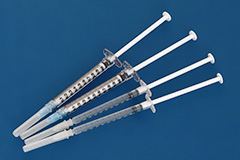
The pre-characterized Hooke Kits™ introduced today are supplied in pre-filled syringes, ready to use. They ensure reliable and consistent disease induction, as each lot is tested and individually adjusted for use with different sub-strains and ages of laboratory mice.
Properly prepared emulsions are critical for reliable induction of many autoimmune disease models, such as experimental autoimmune encephalomyelitis (EAE, a mouse model of human multiple sclerosis) and collagen-induced arthritis (CIA, one of the most commonly used animal models of human rheumatoid arthritis). Hooke's emulsions are pre-made and pre-tested to reduce the time needed to set up experiments.
Suzana Marusic, MD, PhD, President and Founder of Hooke Laboratories said "We're really delighted with the consistent EAE and CIA induction rates we've been able to achieve with these kits. By choosing a Hooke Kit™ with potency adjusted for particular mouse sub-strains and ages, our customers can induce CIA in 100% of DBA/1 mice of either Taconic or Jackson origin – even in females, which is usually extremely difficult."
The seven Hooke Kit™ products announced today are:
Hooke Kits™ MOG35-55/CFA Emulsion PTX for EAE Induction
- MOG35-55/CFA Emulsion PTX – catalog numbers EK-0110, EK-0112, EK-0113
Hooke Kits™ for Immunization
- MOG35-55/CFA Emulsion – catalog number EK-0111
- PLP139-151/CFA Emulsion – catalog number EK-0122
Hooke Kits™ for CIA Induction
- Chicken Collagen/CFA Emulsion – catalog number EK-0210
- Chicken Collagen/IFA Emulsion – catalog number EK-0211
Additional Hooke Kit™ products are in development, including Bovine Type II collagen emulsions for induction of CIA.
Full product details, including recommended experimental protocols and typical result data, are available on the company's web site, http://hookelabs.com.
Hooke Laboratories offers innovations that make animal research more efficient and less expensive, with the goal of accelerating cures for human diseases while reducing and refining the use of animals. Hooke is working to be the leading company providing tools for in vivo research. The company was founded by immunologist Suzana Marusic, MD, PhD.
_150px.jpg)